
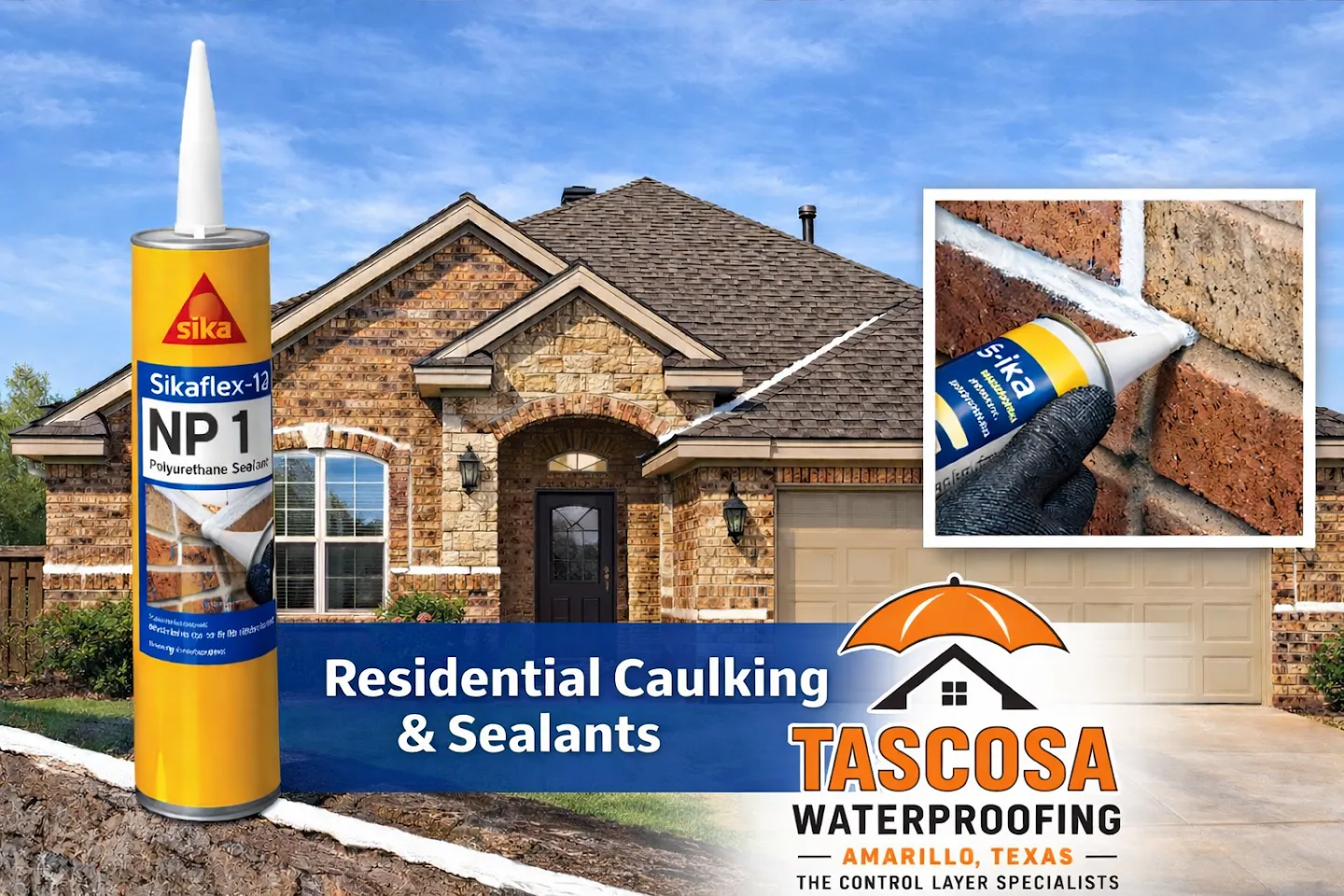
Residential Caulking Services That Protect Your Home
Caulking is one of the simplest ways to protect a home, yet it is often overlooked. Small gaps around windows, doors, siding, and trim can let in water, air, and pests. Over time, those small openings can lead to big problems. That means proper residential caulking is not cosmetic work, it is protection work.
In many Texas homes, weather changes can be hard on exterior materials. Heat, cold, wind, and rain all cause expansion and movement. Caulking helps absorb that movement while keeping the home sealed.
What Caulking Does for a Residential Home
Caulking fills joints and gaps where building materials meet. These areas are natural weak points in a structure. For example, where siding meets brick or where a window frame meets the wall.
When done correctly, caulking creates a flexible seal. That seal blocks water from entering and reduces air leaks. At the same time, it allows materials to expand and contract without cracking.
This matters because water intrusion often starts at joints. Once water gets inside a wall, it can lead to wood rot, mold growth, and damage that stays hidden until repairs become expensive.
Common Areas That Need Residential Caulking
Most homes have predictable locations where caulking is critical. These areas should be inspected regularly, especially in older houses.
- Windows and window trim
- Exterior doors and door frames
- Siding joints and transitions
- Brick to siding connections
- Foundation penetrations
- Utility and pipe entry points
- Interior areas like tubs, showers, and sinks
Each of these spots experiences movement or moisture. Without caulking, they become easy entry points for water and air.
Why Old or Failed Caulking Is a Problem
Caulking does not last forever. Over time, it can dry out, crack, shrink, or pull away from surfaces. Sun exposure and temperature swings speed up this process.
When caulking fails, the gap reopens. Water can then move behind siding or into wall cavities. Because this happens slowly, homeowners often do not notice until damage has already started.
For example, a small crack above a window may not look serious. During heavy rain, water can follow gravity and seep behind the trim. Months later, the drywall inside begins to stain or soften. At that point, the repair is no longer just caulking.
Benefits of Professional Residential Caulking
While caulking looks simple, professional application makes a difference. Proper surface prep, product selection, and technique all matter.
Professionals remove failed caulking completely. They clean and prepare the joint so the new sealant bonds correctly. They also choose the right caulk for the location, since not all products perform the same.
That means the seal lasts longer and performs better. It also looks cleaner and more uniform, which helps with curb appeal.
Energy Efficiency and Indoor Comfort
Air leaks are a major cause of energy loss in homes. Gaps around windows and doors allow conditioned air to escape. At the same time, outside air sneaks in.
Residential caulking helps tighten the building envelope. Because of this, heating and cooling systems do not have to work as hard. Over time, homeowners may notice more consistent indoor temperatures and lower utility bills.
In the summer, sealed gaps help keep hot air out. In the winter, they help keep warm air inside. This improves comfort in every season.
Interior Caulking and Moisture Control
Caulking is just as important inside the home. Bathrooms, kitchens, and laundry rooms are high moisture areas. Water splashing or steam can seep into small gaps around fixtures.
Proper caulking around tubs, showers, sinks, and backsplashes prevents water from getting behind walls or under flooring. This helps stop mold growth and protects framing materials.
When interior caulking fails, water damage often shows up as peeling paint, loose tiles, or soft flooring. Replacing caulking early is a simple way to avoid those issues.
Choosing the Right Caulking Materials
Not all caulking products are the same. Some are designed for flexibility, while others focus on adhesion or water resistance.
Exterior residential caulking usually requires high performance sealants that can handle UV exposure and temperature changes. Interior caulking may focus more on mildew resistance and smooth finish.
A professional understands which product works best in each location. That choice affects how long the caulking lasts and how well it protects the home.
When to Schedule Residential Caulking
Homes should be inspected for caulking issues at least once a year. After severe weather, it is also smart to check exterior joints.
Signs that caulking may need attention include visible cracks, gaps, peeling, or hard and brittle material. Drafts near windows or doors are another warning sign.
Addressing these problems early keeps small repairs from turning into major restoration work.
A Simple Step With Long Term Value
Residential caulking is one of the most cost effective maintenance steps a homeowner can take. It protects against water damage, improves energy efficiency, and helps preserve the structure of the home.
Because of this, caulking should be viewed as part of a long term protection plan, not a quick fix. Done correctly, it supports the health and durability of the entire house.
If you want, I can also tailor this page specifically for Amarillo or Texas Panhandle homes, or align it with the rest of your waterproofing service pages.